

Wood, in addition to being an ecological material, is an ideal choice for those seeking safety, comfort, and energy efficiency without compromising speed of construction and overall performance. The combination of these features makes wood the perfect material for building modern, sustainable structures with a low environmental impact.
Mission and Vision

Our corporate values guide us every day in everything we do.
Advantages of Timber Construction
Fire Resistance
Wood is a highly elastic material, capable of absorbing and dissipating seismic forces. Its lightness and flexibility make it particularly suitable for construction in earthquake-prone areas, reducing the risk of structural damage during a seismic event.
Excellent Seismic Performance
Il legno è un materiale altamente elastico, in grado di assorbire e dissipare le forze sismiche. La sua leggerezza e flessibilità lo rendono particolarmente adatto per le costruzioni in zone sismiche, riducendo i rischi di danni strutturali durante un terremoto.
Lightweight
Wood is one of the lightest materials used in construction, making it particularly advantageous for reducing the overall structural load. This not only facilitates construction but also reduces the need for heavy foundations, making the entire project faster and more cost-effective.
Hygroscopic
Wood has the natural ability to absorb and release moisture, helping to maintain a healthy and comfortable indoor environment. This characteristic makes timber buildings cooler in summer and warmer in winter, enhancing overall living comfort.
Living Comfort and Harmony with the Environment
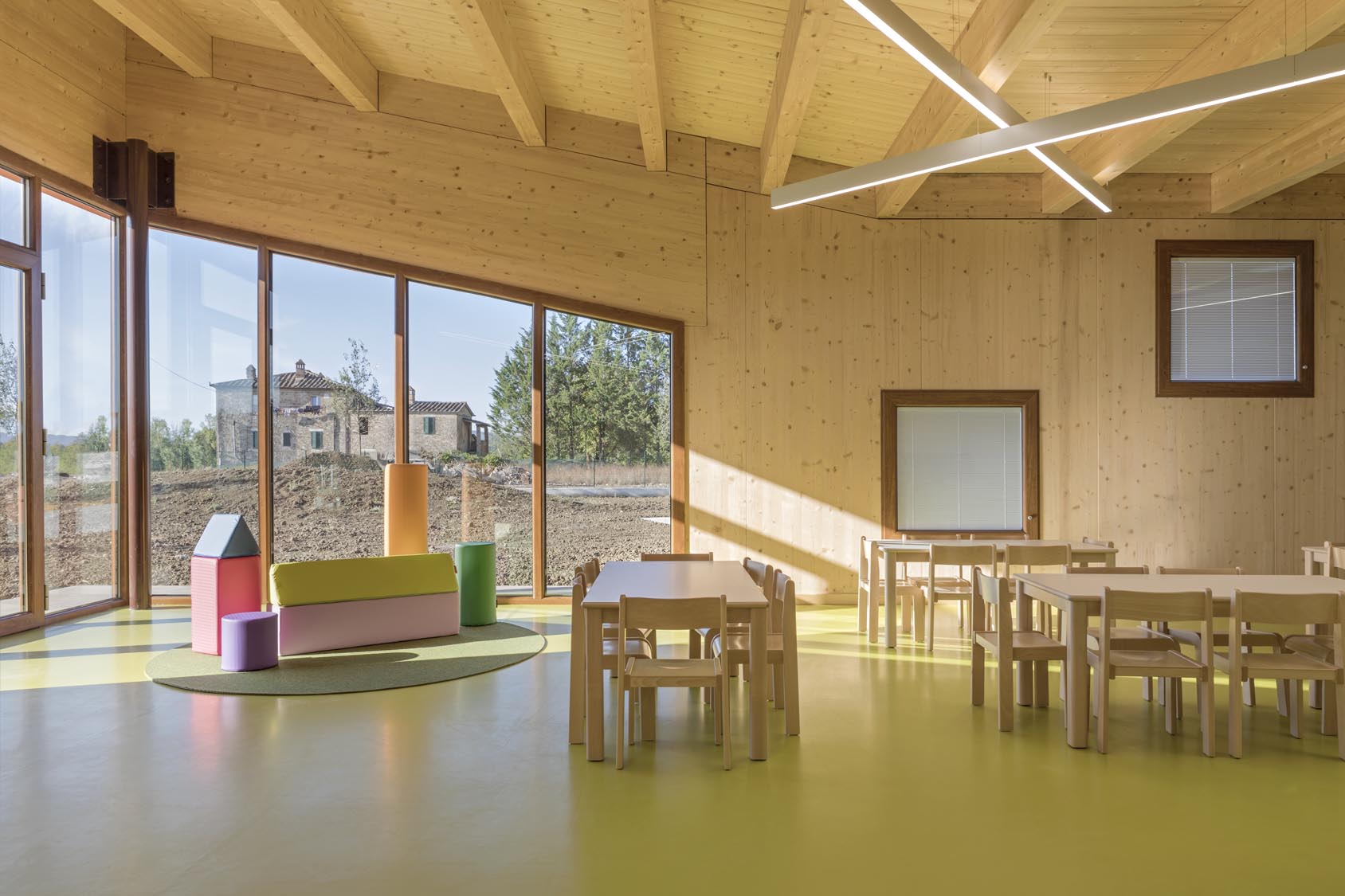
Wood is a material that conveys warmth and a welcoming atmosphere, creating more comfortable and pleasant interiors. Furthermore, its natural aesthetics blend perfectly with the surrounding environment, promoting a sense of harmony between the home and nature.
Energy Efficiency
Wood is an excellent thermal and acoustic insulator. Thanks to its cellular structure, it can maintain a stable indoor temperature, reducing the need for artificial heating or cooling and, consequently, energy consumption. This contributes significantly to energy savings and lower utility bills.
Dry Construction
Timber construction is carried out through a “dry” process, which does not require the use of mortar or other wet materials. This approach makes construction sites faster and cleaner, reducing building time and environmental impact. Additionally, the absence of water during construction minimises the risk of moisture in the structures and accelerates project completion.
Predictable Costs
Wood allows for more certain and predictable construction costs. Thanks to its availability and the speed with which it can be worked, project timelines are shorter, as are labour costs. Moreover, the use of prefabricated timber structures enables better financial planning for the project.
Type of wood

White Fir The wood is pale yellowish-white with a faint grain.
It is a soft and lightweight timber. Compared to Norway spruce, it is less resistant to wood-boring insects and weathering because it lacks resin canals.
Main uses: It is easy to work with and can be cut, sliced, carved, and turned without difficulty.
Red Spruce This timber is particularly resinous and whitish in colour, with slightly darker grain patterns. It is soft and lightweight, with mechanical properties similar to other conifers. Its durability is modest, and it is difficult to treat with preservatives.
Main uses: Primarily used for interior works, carpentry, packaging, flooring, and plywood. It is easy to work with, and can be glued, stained, and painted without difficulty.

The sapwood is yellowish, while the heartwood is light brown and highly resistant to fungal and insect attacks, as well as fire.
Main uses: Mainly used for flooring, planks, and joinery. It withstands weathering well, making it suitable for outdoor construction.
We are proud to highlight that our company can use the “CE” marking for USO FIUME Chestnut assortments, according to the new procedures under the Construction Products Regulation (CPR 305/2011). This certification is the result of years of research in the sector. The studies have a dual purpose: to promote the use of solid wood in the construction sector and to enhance a traditional assortment, demonstrating innovative aspects in terms of strength and stiffness.

The sapwood is narrow and yellowish-brown. The heartwood is reddish-brown and darkens over time. It has a fine texture with straight grain.
Main uses: Being a durable species, it is used for heavy carpentry, joinery, and flooring boards

The sapwood is yellowish, and the heartwood is brown. It has straight, though irregular, grain and coarse texture. The heartwood is resistant to extreme weather and wear.
Main uses: Oak is used across all application sectors, from shipbuilding to civil construction. The timber develops a greyish tone that is highly valued for panel construction. It is easy to work with and holds nails, screws, and adhesives well.

A fast-growing species reaching 60 m in height and 2 m in diameter, with a straight, regular trunk. The heartwood is yellowish, with a fine texture and straight grain.
Main uses: Primarily used for joinery, carpentry, and shipbuilding (both sawn and as plywood). It is easy to work with and presents no particular difficulties in processing.
